Stock/Inventory
Management System
Reliable Inventory system that scales with your business
Stock control software, or inventory control software, stores complete stock data and enables the monitoring and analysis of stock levels, costs and value of stock items. It helps easily locate stock items and sends alerts when stock replenishment is required. Custom stock inventory control software is aimed to introduce unique capabilities to help companies from various industries maximize the efficiency of their specific stock counting and monitoring processes.
Benefits of stock control software
- Minimized risk of stock-outs due to simplified stock level monitoring.
- Optimized stock carrying costs due to no overstocking issues.
- Reduced labor costs and streamlined completion of sales orders due to automated stock control routines.
The investments in custom stock inventory control software typically pay off in 5–8 months after the solution implementation.
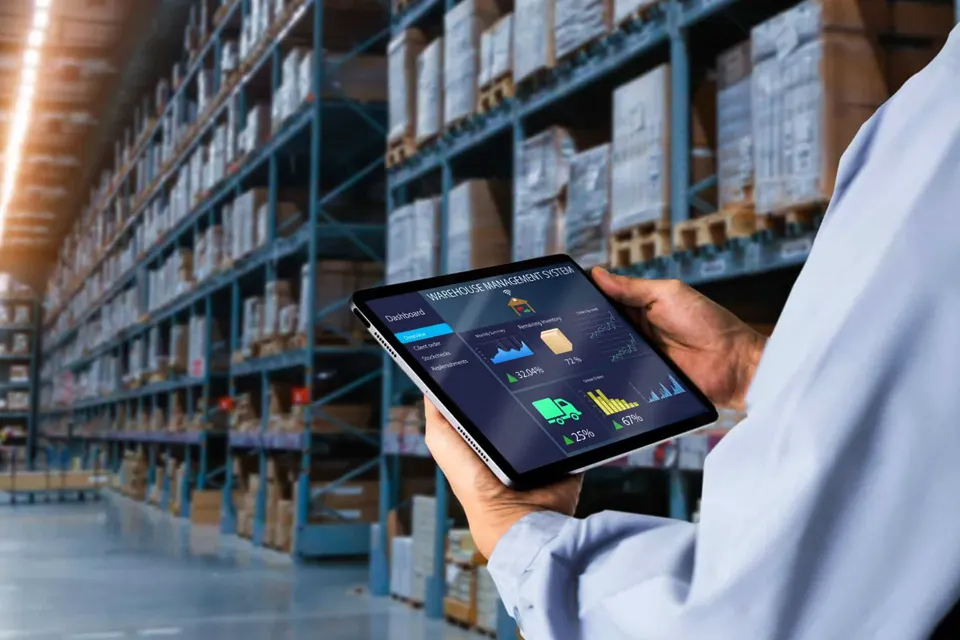
Features of a Stock Controlling System
Based on ScienceSoft’s experience with inventory software projects, we have summarized fundamental stock control software features.
Stock database management
- Automated and manual stock data upload.
- Bulk stock data processing (e.g., data import and export from/to integrated systems such as ERP, CRM, and others).
- Stock data versioning, backup, and recovery.
- Role-based stock database access.
- Stock data versioning, backup, and recovery.
Stock item management
- Stock cataloging with filtering and metadata search of stock items.
- Creating and editing stock item summary (containing images, SKU and barcodes, physical characteristics of stock items, such as size and colors, pricing info, etc.).
- Stock bundling and kitting (grouping the same or related items into a single item).
Stock control
- Stock levels monitoring (on-hand stock, reserved and available stock).
- Setup of reorder levels and alerts for low-stock items.
- Restock history (quantity and price of purchased items, dates, locations, suppliers and responsible buyers, etc.).
- Batch control (to track expiration dates for perishable groups of items).
Stock items tracking
- Tracking of stock items status and location.
- Automated tracking with barcode or RFID technology.
Sales order management
- Sales order creation and status tracking.
- Automated invoice generation and approval.
- Automated stock reservation for a sales order.
- Automated packing slips creation.
Purchase order management
- Purchase order creation and approval.
- Purchase order status tracking and history overview.
- Setup of preferred suppliers for particular stock items.
Stock analytics and reporting
- Configurable dashboards.
- Stock audit report (ABC, FSN analysis, etc.).
- Automated customizable reports (cycle counts, shortage alerts, etc.).
- Demand planning (optionally).
How to Build Stock Inventory Control Software
Stock inventory control software development requires an accurate action plan to ensure consistent project flow and prevent financial and technology risks. Below, ScienceSoft describes key project steps to provide you with a general idea on how your custom stock control software development process may look.
- Business needs analysis and requirements engineering for the solution.
- Designing the optimal functionality, architecture, and tech stack for the stock control system.
- Project planning: deliverables, teams, timelines, budget, etc.
- Stock control software development.
- Quality assurance.
- Stock data migration (from spreadsheets or a previously used inventory control system).
- Integration with the required corporate and third-party systems, including hardware systems.
- User training.
- Continuous support and evolution (optional).
When Custom Stock Inventory Control Software is Your Best Choice
- You have stock control operations across multiple locations and a big team involved in them, as the pricing of platform-based software increases according to the number of users and complexity of workflows it is used for.
- You have perishable or otherwise highly regulated stock and require specific software functionality (e.g., tracking with RFID) for its management. Custom software will be tailored to the specifics of your operations and help avoid expensive customization.
- You need advanced AI-based analytics functionality, e.g., for demand planning.